It is commomplace for us to use figurative language, somewhat as a linguistic ornament. Figurative language, such as metaphors, hyperbole, personification, or satire can be easily explained as word pictures that we employ as a tool to compare, contract and connect our unknown or abstract experiences to other familiar or recognizable things to construct meaning, grab attention, and evoke an emotional response from our audience.
We all use give human characteristics to non-human or abstract things ( that’s personsification).
Our daily conversation is rife with similes where two entirely different things are combined to send a message:
Who doesn’t understand common metaphors such as:
We often unrealistically exaggerate using hyperbole to add emphasis to our feelings. Some of them are silly, but do get the message across:
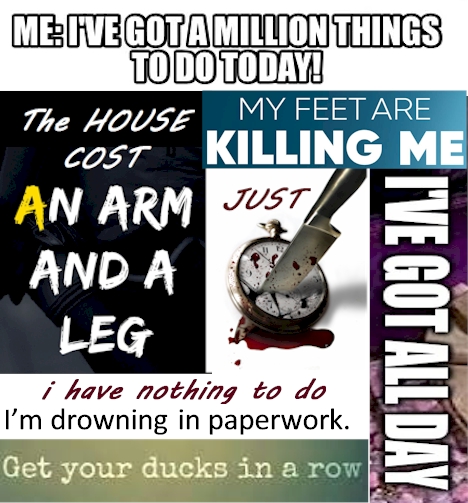
We use irony and satire to expose and mock folly, hypocrisy, or a point of view. Satire makes us laugh and then is makes us think. It's not humor for its own sake — there is a message to it. We may not understand 100% of it right away, but we get the gist of it.
How many times have we sat through something long and boring only to say afterward, 'Well, that was short and to the point, wasn't it?'
We all use idioms or metaphors in a weirdly illogical manner, No matter how outrageous or illogical, to someone who understands the colloquialism, the meaning is usually abundantly clear to whoever is listening.
We understand the metaphors that explain how businesses lead or embrace change.

You are familiar with the metaphors cited above because they are used a lot by most of us, even if we are not conscious of it or understand its meaning.
What is a metaphor? Two of the best definition we’ve read are worthy of mention:
The first is by Mel Wicks, a writer at Smart Blogger: A metaphor (from the Latin metaphora) takes an object or action and compares it to something blindingly familiar, but completely unrelated.The second is by NOBL: A metaphor is a connection. It’s a piece of string coupling two ideas. One idea is usually complex and hard to convey. The other idea is then simple and commonplace. The ordinary illuminates the intricate.
The writer or speaker makes the comparison and it is up to the audience to create meaning out of the comparison, even where there may not be an obvious one. People readily interpret most metaphors with no apparent difficulty. Crafty metaphors are sometimes difficult to spot, because they require quite a bit of thinking.
We love the metaphor. Apparently every conversation uses at least four metaphors per minute. We use them to stretch the actual meaning of words or concepts for effect, whether to sound artistic, make a joke, or communicate more clearly and engagingly. Many are hidden or embedded into our language.
Metaphors are not just ornamental and certainly not just a matter of language, the invention of those great poets and philosophers. They are a normal manner in which we understand the world. The way we think, what we experience, and what we do every day is very much a matter of metaphor. We love the metaphor because it supercharges our imagination and we find metaphors essential visual aids to make sense of our lives. Particularly our own inner thoughts and feeling which we like to relate to the physical properties of the world. They make an experience more entertaining, poignant, interesting or comprehensible, which enables us to see an aspect of our lives more clearly and even seek a direction for making our lives better.
We surround ourselves with metaphors that are conspicuous, clever, understated, illusive, wild, and confounding, but they make sense. Our metaphors encapsulate our beliefs, unspoken deep-seated, unquestionable beliefs about who we feel ourselves to be.
Metaphors are simple ways to vividly express an idea or concept in very few words. We employ metaphors as tools and they have a variety of applications, used by parent, teachers, scientists, therapists, journalists, marketers, song writers, speech makers, and authors. Because writing styles, human emotions, and social issues are so wide-ranging, metaphor used as tools are too.
For centuries parents and teachers used stories and metaphors to convey messages or teach skills. Not only is learning more fun and interesting, it is how we learned some of life’s important lessons. Think of the characters that experienced difficulties in Aesop’s Fables, Hilaire Belloc’s Cautionary Tales, and a multitude of children’s television dramas.
Science uses metphors to help explain complex ideas that most of us would find difficult to understand. The wetlands are like a sponge. The nervous system looks like a tree. The human eye works like a camera. Did we understand the "eye" before the invention of the camera? What metaphors did they use to illustrate the complexity of the first cameras. Likewise, computers, in their infancy were complicated machines to explain. We heard: You don’t necessarily have to understand how the car’s engine works to drive it. The complex details are hidden. Same with a computer. Today, the computer is so familiar and its hidden details so explicable we are using it as a metaphor to explain how our minds work.
In the field of psychology, therapists employ metaphor to illustrate complex behaviours and provide a rationale for treatment. "I explain to clients that when people are depressed, it is as if they are wearing glasses whose lenses are covered with black paint. The information they receive from their environment passes through these lenses. So they tend to view their experiences in a very dark, negative way. It is not their fault; in fact, they probably do not even realize that they have glasses on. I then explain, in metaphorical terms, one part of the treatment plan. Together we will evaluate their thinking, scraping off the dark paint on their lenses, so they can see reality more clearly." Through such a metaphors, clients understand their situation which facilitates the therapeutic process of transitioning from caterpillar to butterfly.
Let's not neglect metaphors used by the journalists. Originally a rhetorical tradition, metaphors have become an important cognitive tool in the media which plays a significan role in what we understand about current events, commerce and economy, social and political issues, breakthroughs in science and technology, as well as public opinion. Metaphors abound in the media - editiorials, interviews, reporting, and headlines. The headline is the first thing we read to decide whether to read the context of a new report. In order to attract readers, the media adopts a variety of approaches to make the headline vivid. The metaphor is the most frequently used; its a tool for spreading the news.
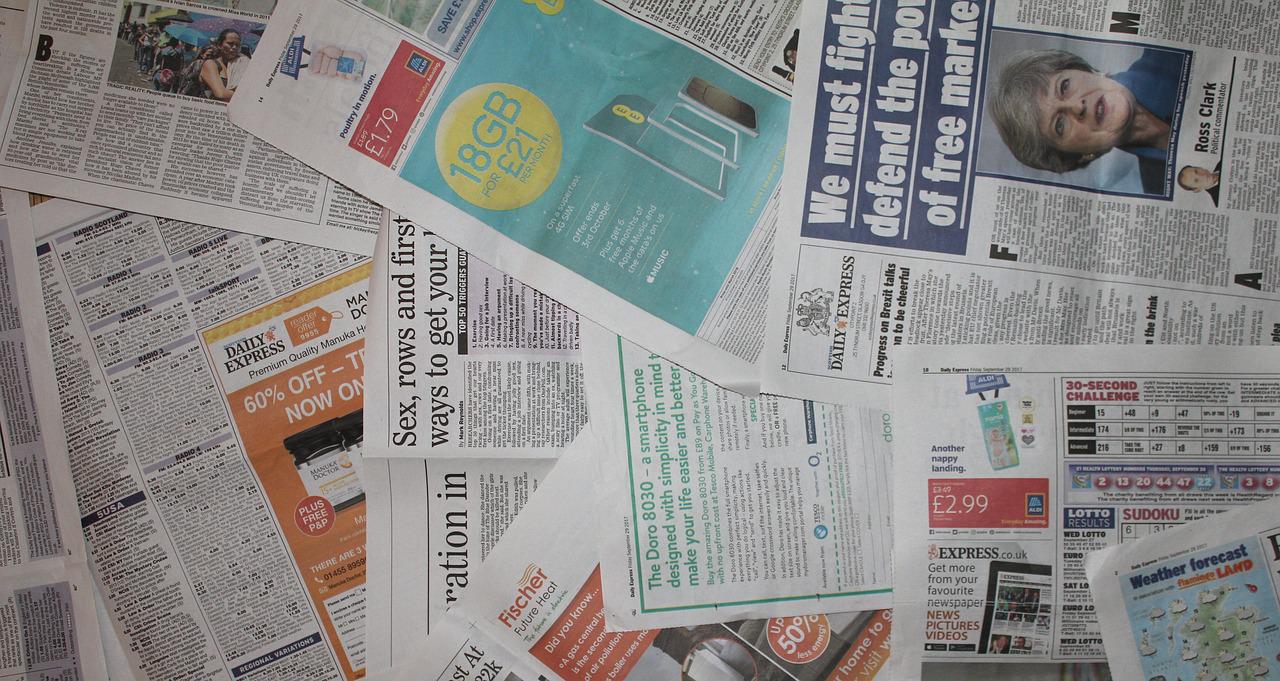
Marketers use figurative language so effectively it not only grabs attention and punches home meaning, it supercharges their message. They employ metaphors so vividly the audience can almost see, hear or taste whatever they are selling.
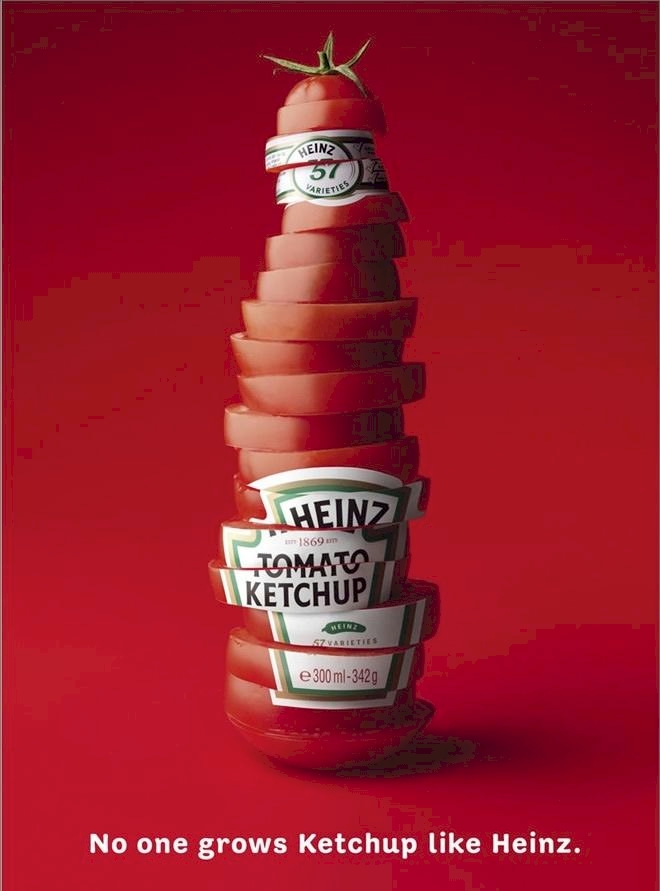

Authors, speakers, and song-writers cleverly use word images to stretch the meaning of words to make boring ideas sparkle, complex ideas appear simple, and monotonous facts and figures come to life. It is figures of speech such hyperbole, metaphor, simile, satire, and irony that make writers, speakers lecturers, and politicians persuasive. Their metaphors can have so much magnitude they endure for centuries. We tend to remember them well and quote them to illustrate our own messages. William Shakespeare's works are some of the most enduring with examples such as: “All the world’s a stage, and all the men and women merely players. They have their exits and their entrances.” Benjamin Franklin is quoted a lot: “A good conscience is a continual Christmas.”
The meanings we derive from hauntingly beautiful song lyrics make them memorable. Take these recently created:
The Sound of Silence (Lyrics by Gordon Jenkins / Nat Simon, Sung By Paul Simon)
Hello darkness, my old friend, I’ve come to talk with you again
Because a vision softly creeping, left its seeds while I was sleeping
And the vision that was planted in my brain, still remains
Within the sound of silence
And in the naked light I saw, ten thousand people, maybe more
People talking without speaking, people hearing without listening
People writing songs that voices never shared, and no one dared
To stir the sound of silence.
The Wind Beneath my Wings (Lyrics by Jeff Silbar and Larry Henley, Sung by Bette Middler)
Did you ever know that you're my hero
And everything I would like to be?
I can fly higher than an eagle
For you are the wind beneath my wings
The Dance (Lyrics by Anthony Michael Arata, Sung By Garth Brooks)
And now I'm glad I didn't know,
The way it all would end
The way it all would go
Our lives are better left to chance
I could have missed the pain
But I’d have had to miss the dance
We Want to be Surrounded by our Metaphors
When a new metaphor gains popularity we not only quote it, we imprint the message on clothing, sports bags, wall decals, diaries and notebooks. We see quotes on billboards; they are adapted to commercials. We hang posters citing the metaphoric statements made by athletes, performers, artists, authors, philosophers. We spend hours tuning into all genres of music and reading books that abound with metaphors. So does the bible. We find visual and cultural metaphors in movies, television shows, political cartoons, advertising, architecture and other various art forms. We erect sculptures, monuments, iconic landmarks, quirky road side attractions, and serious buildings to represent aspects of our societies - crucial events, turning points, enduring values and beliefs, sense of belonging, soladarity, collective norms and expectations, and imagination. Our metaphors surround us and we like it that way.
We love powerful metaphors. Some of the most cited appear in prose and poetry. Appreciable metaphors saturate the world of sports. They are powerful symbols that convey important lessons about values, the relationship of human beings to each other, culturally appropriate behavior, passionate commitment, the triumph of the human spirit, cooperation and personal sacrifice for the good of the group.
Good metaphors that help people see something through a shared set of eyes have strong enduring identities.
The renaissance painters and Shakespeare created clever metaphors that have endured for centuries. Ancient metaphors pervade all forms of knowledge going back millennia. Anthropologists have uncovered visual metaphors that remind us that humans structured information visually before the printing press. These metaphors provide insight into how individuals viewed the world, space, astronomical seasons, the land, or the harmony of life thousands of years ago, which also helps us understand today’s cultural differences. We travel to ancient places to absorb the metaphors of people long past represented in their architecture. Great Wall of China, Great Pyramid of Giza, Stonehenge, and Machu Picchu serve to inspire us, give us a sense of place and also be a reminder of what was, what is and what could be and are thus crucial in our lives. Today, architectural feats such as the TWA Flight Center Building in New York, Lotus Temple in New Delhi, Sydney Opera House, Australia, Onion House in Hawaii attest to our appreciation of the metaphor and our need to have them last. Only time will tell if they reach the metaphoric fame of the Statue of Liberty or the Grand Palace of Bangkok.
We appreciate powerful metaphors and want to be reminded of their significance. We memorize poetry and song lyrics. We have copies of all sorts of metaphors in our collections of books, art reproductions, tourist souveniers, dolls, painted eggs, flags, or sports memorabilia. We subscribe to blogs, video channels, and photography sites because a creative contributor shares something that has awe-inspiring meaning.
We've referenced the power or value of metaphors that appeal to a broad audience. Yet, a metaphor has amazing powerful, even if it only affects one person. That is how we individually value a metaphor, by how it influences our individual thoughts and feelings.
Metaphors have the power to change lives. Many of us live by way of those metaphorical important lessons we learned from our parents and teachers. In the field of psychology we acquire understanding through metaphors. They may not be a roadmap to change or healing. It is up to the individual to understand the metaphor and embrace it to realize a starting point, envision direction and a final point.
My friend Konrad was struggling. Watching the film “Forest Gump” he heard the line “Life is like a box of chocolates. You never know what you’re gonna get!” It gave him pause to think one should always expect the unexpected. He adopted a version of that to make sense of his life. Since that day he embraces every morning this way:
My life is a series of expeditions. I have dreams and expectations but I truly do not know my future. Now every day I wake up ready and eager. Of course, some days are commonplace, but I'm keen for something to pop up to take my breath away or present me with a purposeful lesson to add meaning to an otherwise uneventful day. I’ve been on my share of rollercoaster-type rides too. Some of them had hellish abrupt stops where I had to decide to stay on or jump off. I’ve learned that to fully experience and appreciate the high points of my life I must also experience and acknowledge the contrast of the lows.
For Conrad that metaphor of a box of chocolates gave him direction.
His sister told me she likes the metaphor of a stained-glass window.

Enhanced by sunshine and viewed from different angles, when you take the time to discern the variety of lights and colors which make up your less obvious world you also get a glimpse of the magnificence and passion of every person and situation.
Not all metaphors are serious or insightful. Some of them surprise us or make us laugh out loud, and it’s this wonder or humor that gets us through many challenging human experiences.
We have lived with metaphors and used metaphors for so long and so often, many of them have become truisms or clichés. They may not depict original thought and their imagery has receded into the background, but we use good metaphors because they retain their poignancy.
If any of today’s popular metaphors happen to fade or disappear, everyday, everywhere someone is creating and bringing a new one to us.
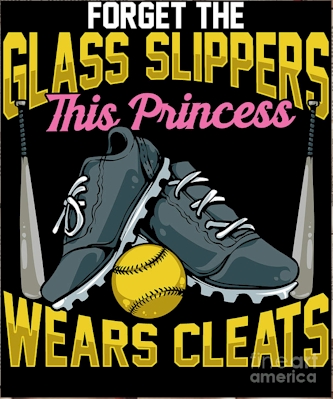

Metaphor influence our perceptions, ideas and the decisions we make in ways that might not be readily apparent. A simple metaphor might only explain a small part of a difficult or complicated situation. When we focus on the metaphor and its implied meaning it blinds us to other pertinent information and puts us in a dismissive state of mind. It obstructs our perspective, and in turn, limits our understanding of a situation, and confines our choices. That may, in fact, be the intention of the writer or speaker whose clever use of a vivid metaphor can frame events and give meaning in their own worldview. They count on us to latch onto the metaphor and thus dismiss other aspects of a situation. These metaphors and the implied meanings can be positive or negative, constructive or destructive, emotional or social construct - used in a way that leads to transformation or in a way that polarizes the audience or escalates emotions. Once our attention is triggered toward a chain of associations that allude to potential or promise, we are less likely to recognize that a metaphor is fueling misinformation, which could also fall under the category of propaganda, coercion or divisiveness. How we use and interpret a metaphor can trap us into a simplified way of thinking.
Do you use metaphors to help you describe an experience and make sense of your life? For example if everything is a competition or struggle in which you are either winning or losing you may say your life is a battle . You may use the metaphor of a garden if you are reminded that your relationships with family and friends can be cultivated like flowers and nurtured with water and sunshine.
Any of the following can be apropos to an experience:
The imagery can be so clear, that metaphors can help you visualize your life beyond just today or this week.
We like these comparisons as well:
What metaphors fit the life you currently live? When you use metaphor to explain your experience does it end up like the lines of a song that keep repeating in your head? The vivid and graphic metaphor you use to describe an experience or your life in general can impact how your life negatively unravels or it can inspire you and give you strength and impact how your life positively progresses.
Metaphors like the above are so embedded in language that you can forget you are using these terms metaphorically. You may not even register using them. Nonetheless, they can illicit automatic responses that you may not even be conscious of feeling. A conventional unenthusiastic metaphor can actually put you in a state of paralysis. Akin to self-talk, some metaphors may corner you into thinking you are boxed in, trapped, defeated or lost. .
You can compare your life to many things. ’When facing the realities of your life, make sure you are not employing a metaphor that holds you back or leads you to a narrow view of your situation. Reframe your situation to think about your life and challenges in a different way and choose a metaphor that serves as a source of encouragement or the motivation you need to move forward in a positive way. There are many metaphors that emphasize the importance of courage, creativity, humor, mindfulness, celebration, and love.
Here are two metaphors that you might like.
You can go from just sitting there alone to flying through the air by just moving your legs. No external forces, no help from anyone, just you.
Flexible thinking allows
you to think about something in more than one way. It plays a key role in reducing anxiety, as well as not being overwhelmed or stifled by unpredictable circumstances in
your life or workplace.
Inspiration can strike when you least expect it, but that is an inefficient way to develop an idea or approach decision-making and problem solving. Instead, try one of these 7 quick and easy individual brainstorming techniques.
True professionals do not do things just for the sake of appearances. Your commitment and what you do back stage and unwitnessed is garners the respect of others, gives you satisfaction in life, and contributes meaningful value to a project or organization.
Do you know why you procrastinate. It may not be that you are simply overworked and under pressure. Identify a cause and fend it off with an easy-to-implement strategiy that can be implemented easily and set the tone for an non-procrastination-type day.
With the right sensory technique you will feel a sense of assuredness and always have a rescue tool to relieve stress on the spot. What is your sensory resuce toolbox?
As a professional, you want to get the job done – and done well. You also want to keep advancing and identify opportunities. This easy pen and pencil tool can help you with a plan.
